Type 89 Mortar Shell

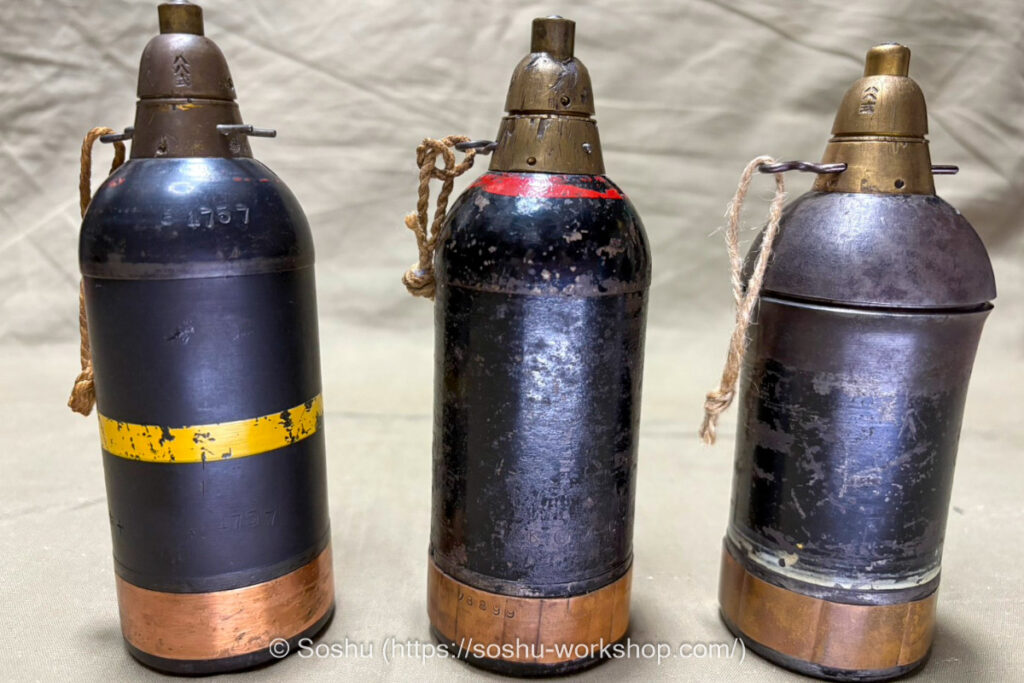
Introducing the Type 89 Mortar Shell, designed for use with the Type 89 Heavy Grenade Discharger. I compare three deactivated authentic examples, examining the markings, manufacturing arsenals, and internal structure of each. I also disassemble the Type 88 Small Instantaneous Fuze and take a close look at how it works.

0 Comments

Type 91 Hand Grenade

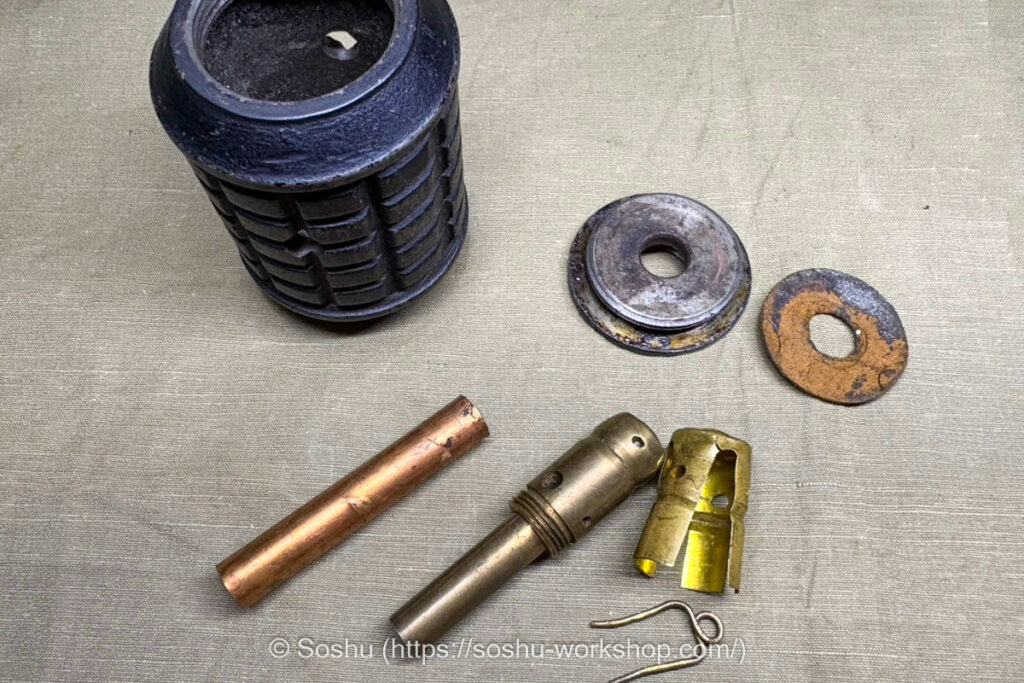
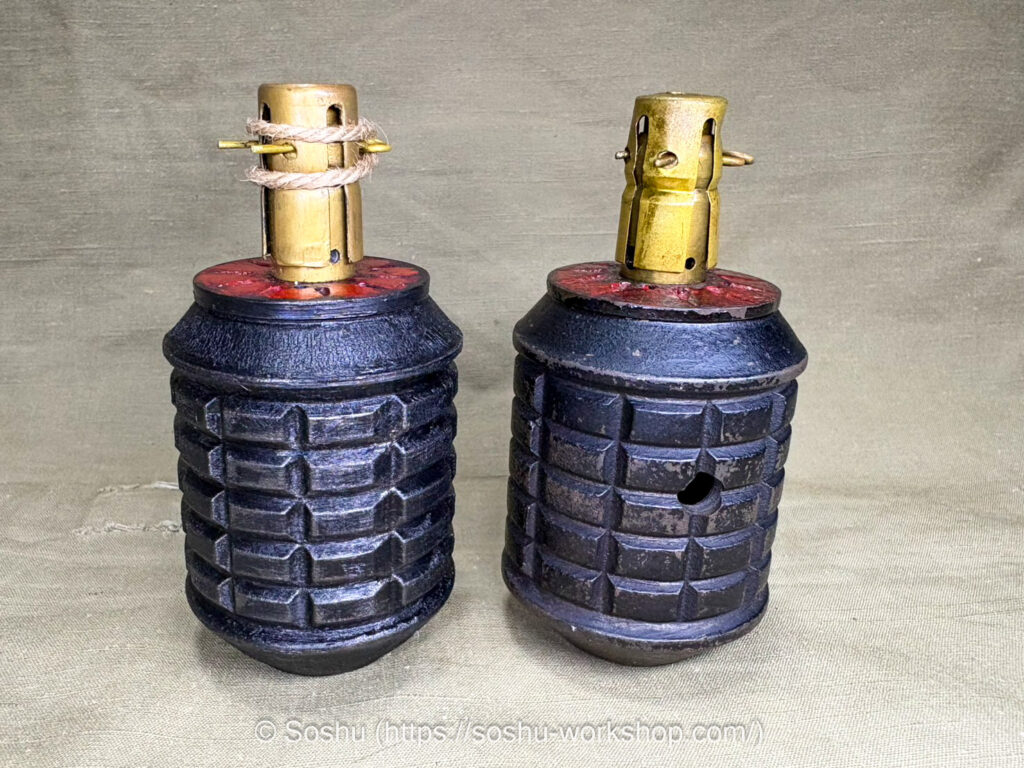
This article takes a detailed look at the structure and operating mechanism of a real Type 91 Hand Grenade, disassembled for inspection. This particular example has been deactivated, making it a valuable reference for examining the internal components.

0 Comments

Type 17 Tropical Uniform

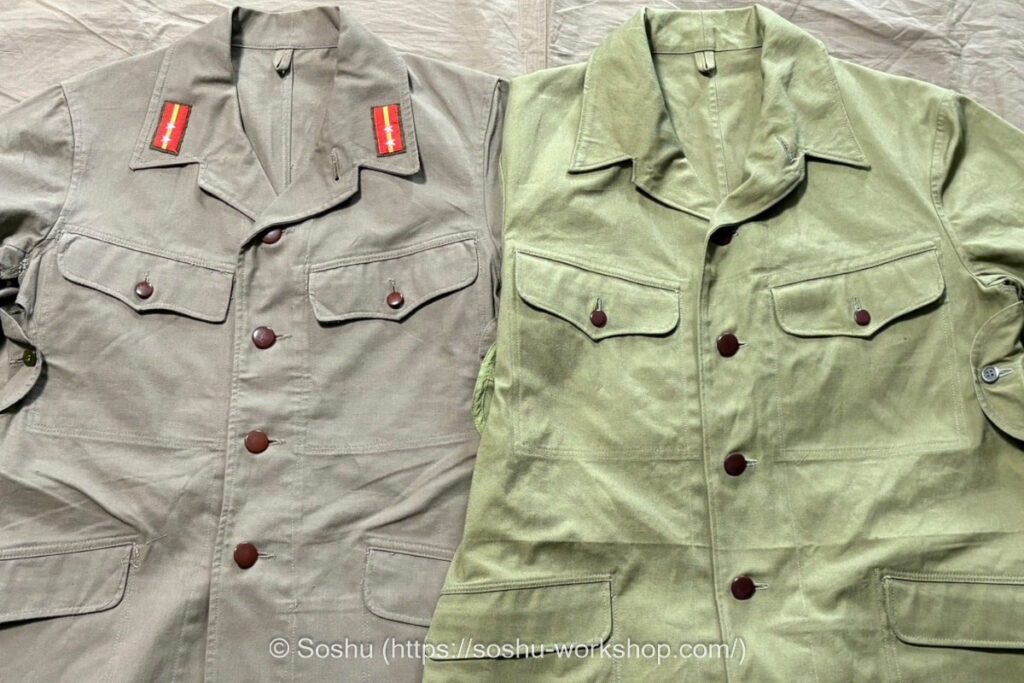
The tropical uniform revised in 1942 (Showa 17) was a minor modification based on the earlier 1938 (Showa 13) pattern, with changes such as the elimination of the collar hook and the addition of ventilation holes. This time, I have produced a replica of the 1942 (Showa 17) tropical uniform, which I would like to introduce here.

0 Comments

Substitute Button

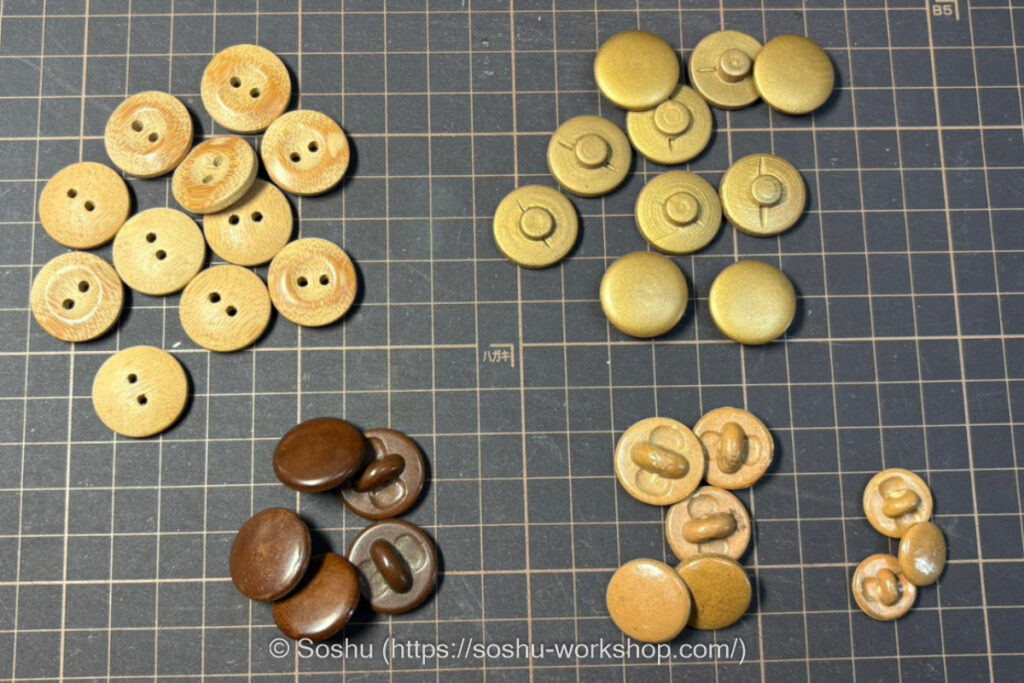
From around 1940–1941, shortages of military supplies led to the use of various substitute materials in clothing. This article introduces substitute buttons—such as those made of bakelite and wood—based on both historical documents and authentic examples, and also records the process of attempting to create replicas.

0 Comments

Tanker Overalls

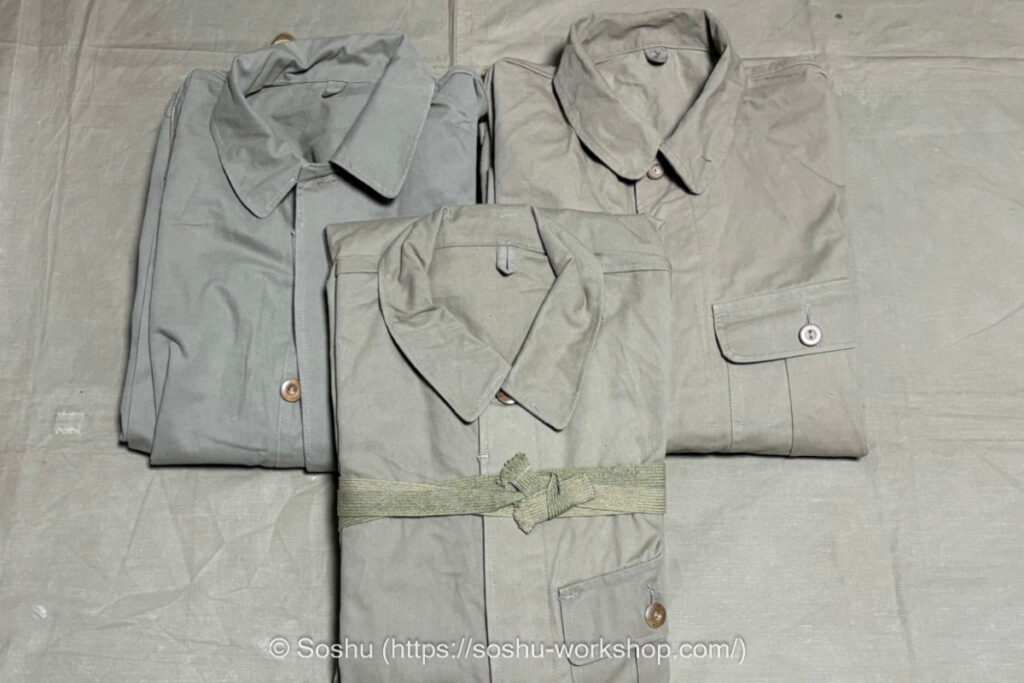
This article introduces original examples of the Tanker Overalls worn by tank crewmen and maintenance personnel of the Imperial Japanese Army. Several individual pieces are examined, with attention given to details such as differences in color.

0 Comments

Type 93 Luminous Pedometer

The Type 93 Luminous Pedometer was an Army surveying instrument formally adopted in 1934. It was a step counter used to calculate distance based on the number of steps taken. It appears to have been issued in small numbers, primarily to engineer units and related formations.

0 Comments

End of content

No more pages to load